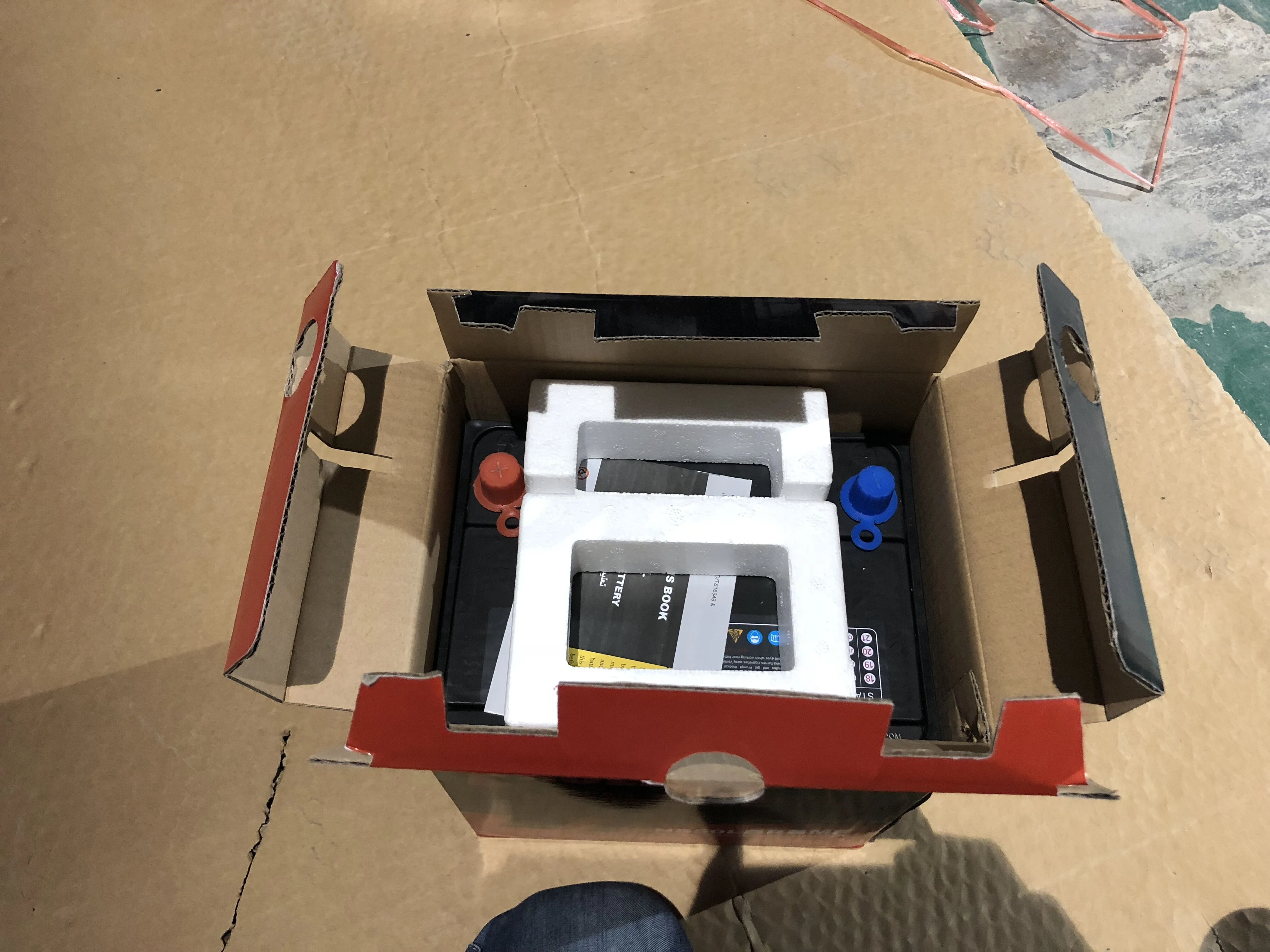
Quick Summary: For fleet vehicles automotive SMF sealed maintenance-free batteries are typically specified by Ah capacity Cold Cranking Amps CCA reserve capacity and terminal layout to match engine start and accessory loads Select chemistry and sizing to match duty cycle and request factory test reports and transport compliance. For bulk fleet procurement and commercial distribution, sourcing factory-direct container shipments from certified Chinese manufacturers provides 30–40% landed cost savings with full export compliance.
Large fleets need repeatable performance, predictable replacement cycles, and purchase terms that support total cost of ownership. This guide explains how to evaluate automotive SMF battery options for fleet vehicles, what technical data to request, how to structure quality control, and practical steps for sourcing factory-direct from China.
Choosing the right chemistry and form factor
Most fleet starting batteries sold as “SMF” are sealed lead-acid (VRLA) designs intended for engine starting (starting/lighting/ignition — SLI). Key alternatives include enhanced flooded batteries (EFB) and AGM for vehicles with start-stop systems or heavier accessory loads. For electric/hybrid platforms, lithium options are a separate category and carry different standards and transport rules; verify chemistry explicitly with suppliers.
How to match battery to vehicle duty
- Starting duty: prioritize rated CCA and cold temperature performance.
- Dual-purpose or accessory-heavy duty: consider higher Ah and reserve capacity, or AGM/EFB chemistries if manufacturer recommends.
- Deep-cycle duty (service vehicles, telecom, off-grid auxiliary): use batteries rated for cycling or a dedicated deep-cycle product rather than a standard SLI SMF.
Key specifications and what buyers should request
Always ask suppliers to provide a complete technical datasheet and test records. Essential fields to confirm:
- Nominal voltage and Ah rating at a specified discharge rate (e.g., 20‑hour rate) — confirm the test standard used.
- Cold Cranking Amps (CCA) or EN rating at defined temperature.
- Reserve Capacity (minutes) or equivalent metric for accessory load support.
- Physical dimensions, terminal type/position, and weight for fleet installation planning.
- Cycle life or design life under stated test conditions and recommended storage and charging procedures.
- Warranty terms (clearly documented start/end conditions, pro rata vs replacement).
If any numerical rating is missing from the datasheet, require the supplier to include the test method used so you can compare like-for-like.
Battery testing & quality control for fleets
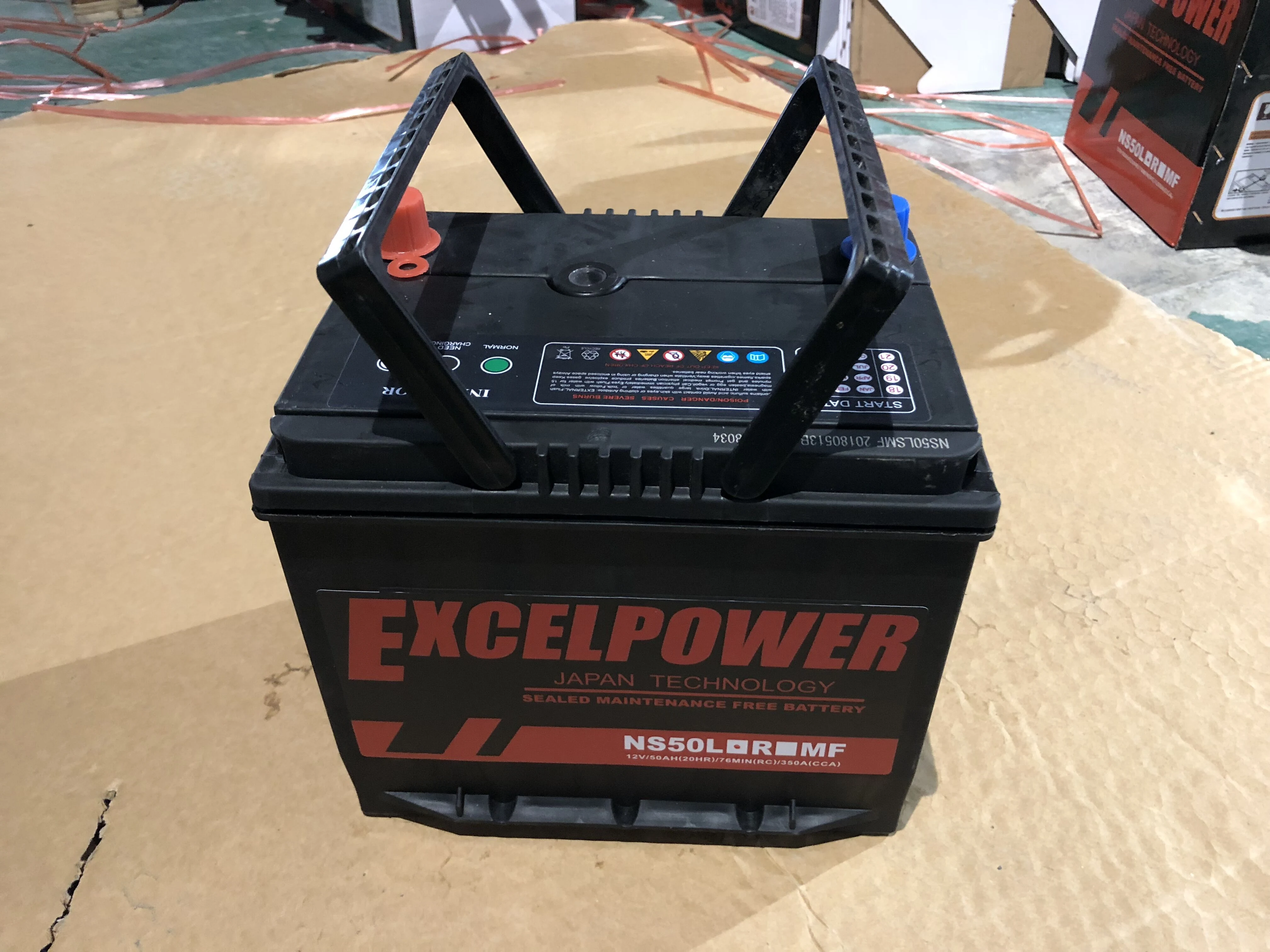
For wholesale fleet purchases, specify acceptance testing and incoming inspection. Common buyer requirements include sampling for capacity and CCA verification, visual inspection for case integrity and venting, and random destructive analysis where warranted. Request documented production testing (charging profile, internal resistance, capacity) and FAT reports for each lot.
Third-party lab reports (capacity verification, cycle testing) increase confidence; specify when independent verification is required as part of contract terms.
Comparison: buyer evaluation criteria for automotive SMF battery wholesale
| Evaluation criterion | What buyers should expect / request |
|---|---|
| Chemistry & type | Sealed lead‑acid (VRLA/SMF) common for SLI; request explicit chemistry statement and suitability for start-stop if applicable. |
| Capacity & ratings | Ah (specify discharge rate), CCA/EN, reserve capacity. Require test method and test certificates for these ratings. |
| Physical compatibility | Dimensions, terminal type/position and weight; insist on sample fit checks for high-volume fleets. |
| Cycle life / expected lifetime | Manufacturer-stated design life and cycle life under stated conditions; request test data or independent lab reports if lifetime is mission-critical. |
| Warranty & returns | Clear warranty period and pro-rata terms. Define RMA handling and cross-ship options in the contract. |
| Certifications & transport | Request ISO 9001/IATF 16949 where relevant, MSDS, transport declarations (DOT/IMDG/IATA as applicable). For lithium versions, require UN38.3 and IEC 62133. |
| Price & terms | Request container-volume quotes and volume break pricing. For one-off model pricing, ask suppliers to confirm lead times and palletization costs. |
Sourcing batteries for fleet vehicles from China: Quality Standards, MOQ & Container Logistics
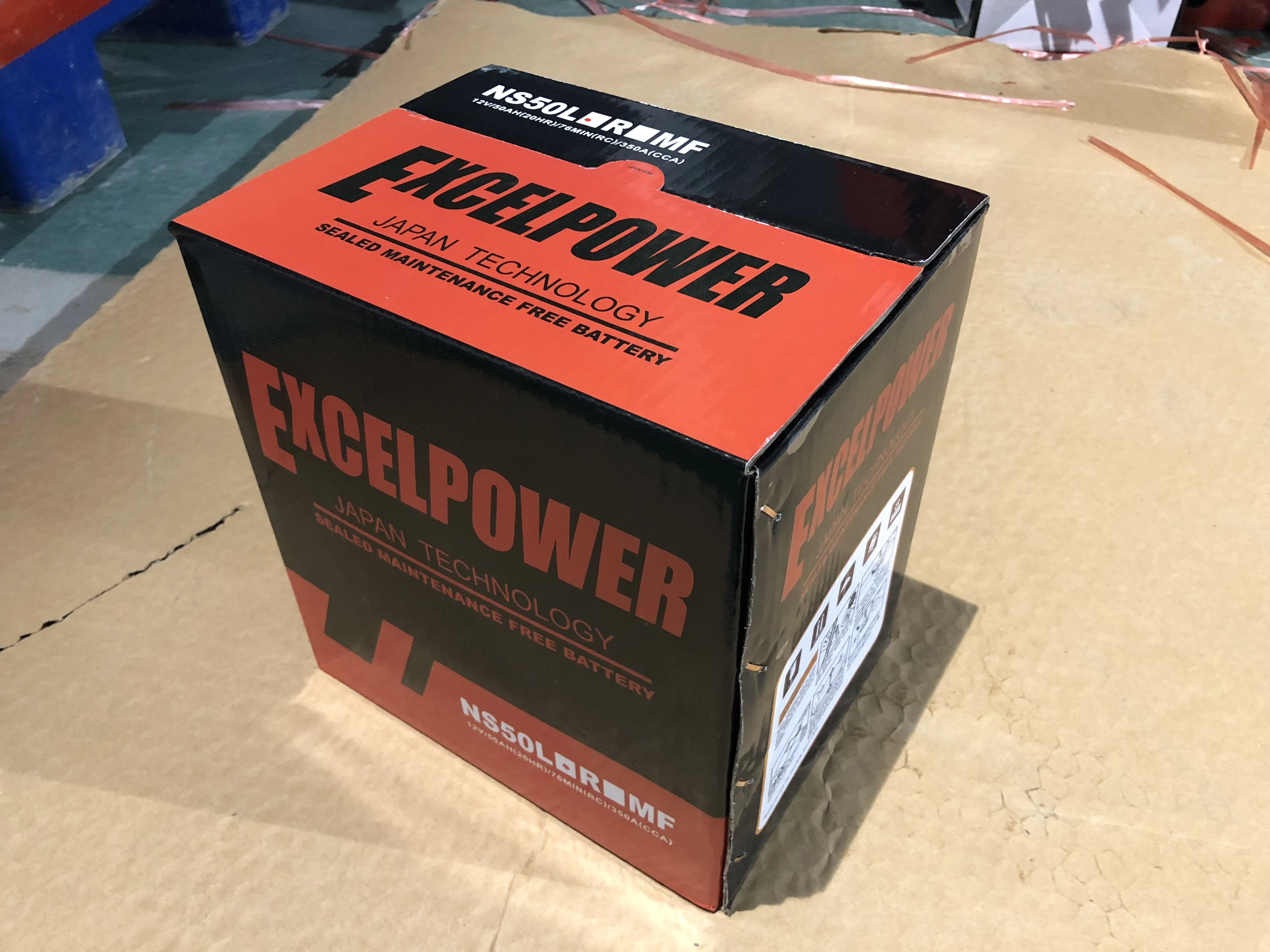
When engaging Chinese manufacturers, document the certifications and export paperwork you require in the RFQ. Common documents buyers ask for include ISO 9001 quality certificates, factory inspection reports, MSDS and declarations for hazardous goods, and export packing lists. For lithium chemistries, request UN38.3 test reports and IEC 62133 compliance; for lead‑acid products, request MSDS and the supplier’s hazardous materials packing declaration for ocean/air transport and any DOT/IMDG paperwork your freight forwarder requires.
MOQ and container options: many suppliers offer per-model MOQ and will combine multiple SKUs in one container. Clarify whether MOQ is per SKU or per PO, and request a packing/palletization plan showing usable cubic meters so you can assess 20ft/40ft fill rates. Mixed-container shipments are common, but confirm securing, segregation, and labeling requirements for fleet spare parts management before booking.
Export lead times and port terms: typical factory production lead times vary by order size and season—buyers commonly see confirmed production windows in the range of a few weeks to multiple weeks depending on capacity and tooling. After production, ocean transit times depend on the destination and service; work with your forwarder to confirm ETAs. When requesting FOB or EXW terms, identify preferred export ports (examples to confirm with suppliers: Qingdao or Ningbo) and ask for estimated lead time inclusive of inspection and packing. Always require an agreed inspection plan and a release protocol for shipment.
Inspection, sampling and arrival checklist
- Pre-shipment inspection report (visual, dimensional, random capacity/CCA tests).
- Sample retention agreement and destructive test allowance if required.
- Full documentation pack: test reports, MSDS, packing list, commercial invoice, and transport documents.
- Plan for warehousing and battery disposal/recycling compliance in your jurisdiction.
Conclusion and next steps for procurement
For fleet buyers, the lowest lifecycle cost comes from matching battery chemistry and capacity to duty cycle, insisting on documented factory testing, and structuring warranty and logistics for rapid replacement. Prepare an RFQ that lists exact vehicle model-fit requirements, acceptance tests, certification requirements, and preferred packing/transport terms. Request container-volume quotes and an explicit inspection and sampling plan as part of the offer.
Contact China Battery Mfg for supplier introductions, sample coordination, and to request container-volume pricing and lead-time estimates tailored to your SKU mix.