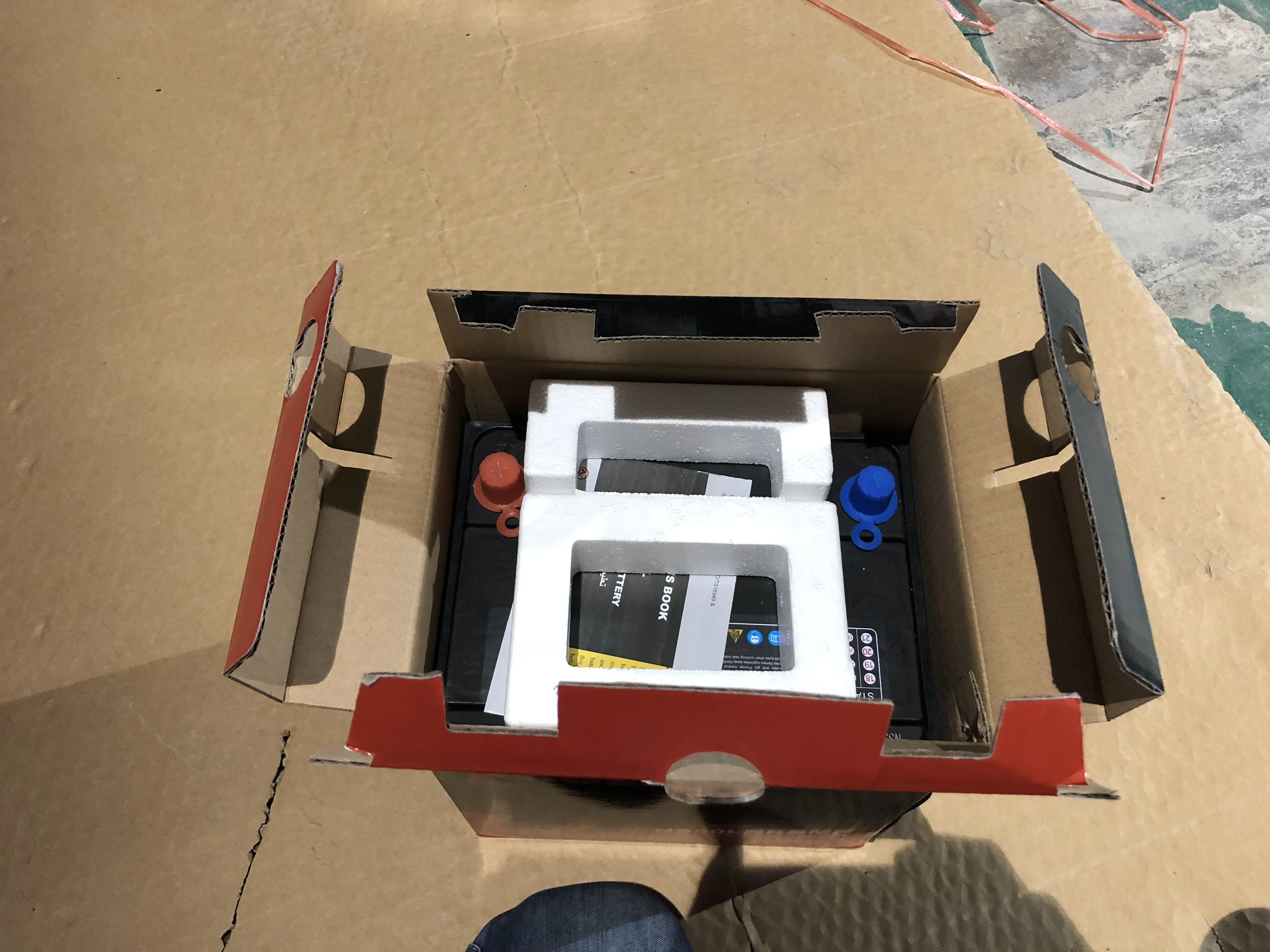
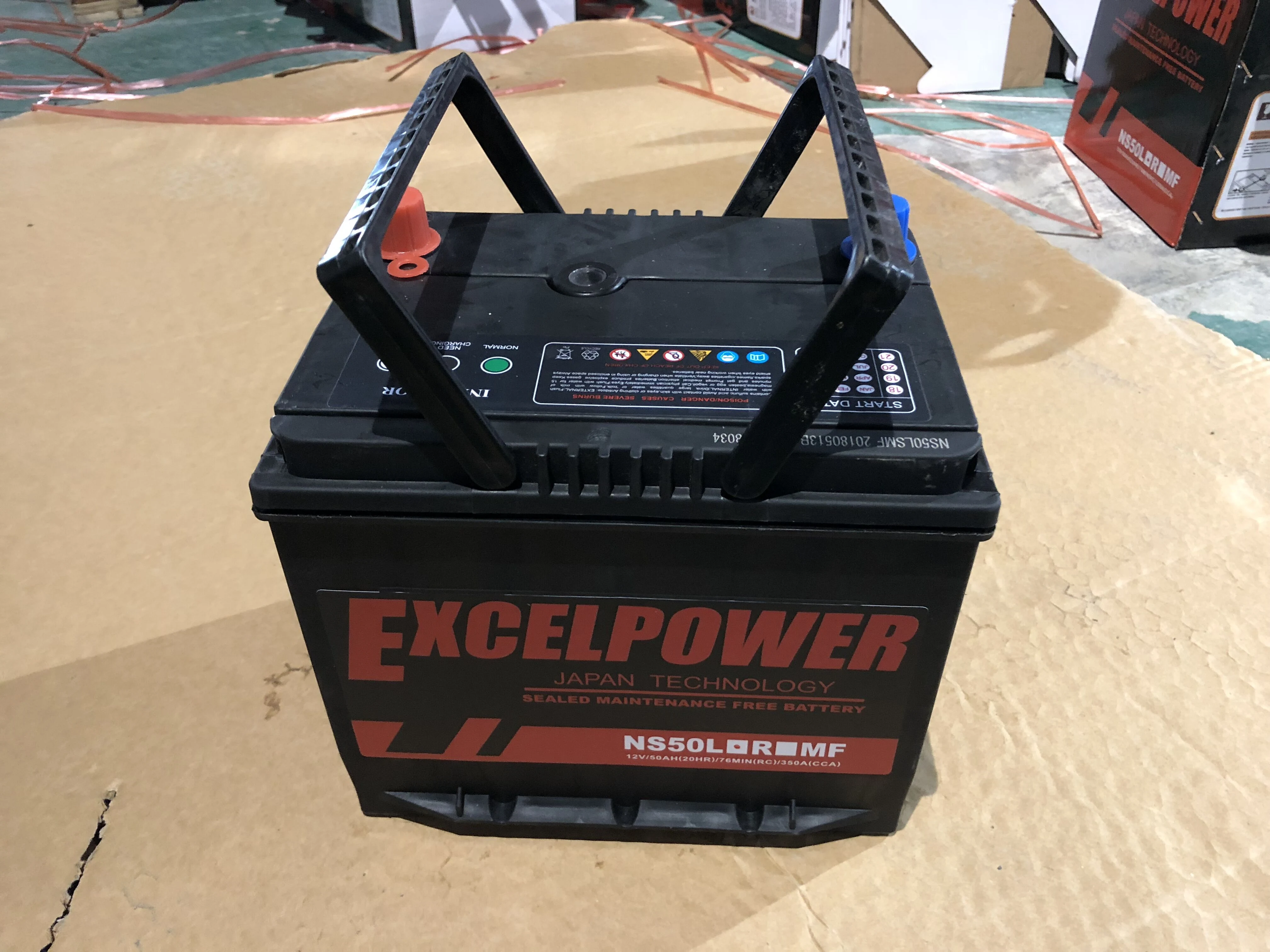
Quick Summary: A "maintenance free battery for car" is typically a sealed lead-acid (VRLA) starter battery designed to operate without water topping or regular electrolyte checks; common variants include AGM and calcium-alloy VRLA types. Confirm group size (DIN75), CCA and terminal layout with suppliers before purchase. For bulk fleet procurement and commercial distribution, sourcing factory-direct container shipments from certified Chinese manufacturers provides 30–40% landed cost savings with full export compliance.
What "maintenance free" means for automotive buyers
In commercial automotive contexts, "maintenance free" normally describes batteries sealed from the factory so the electrolyte cannot be topped up during normal service life. These are usually valve-regulated lead-acid (VRLA) types engineered to minimize water loss and eliminate routine electrolyte-level maintenance. Common subtypes used for starter applications are AGM (absorbed glass mat) and sealed calcium-alloy lead batteries. For fleet procurement, the critical buyer concerns are verified electrical ratings (Ah and CCA), physical fit (DIN75 in this category), terminal type and warranty terms.
Key technical considerations for a DIN75 supplier
DIN group sizing defines the battery footprint, terminal positions and mounting compatibility. DIN75 refers to a standard group size class used in many European-spec cars; buyers should confirm the supplier’s dimensional drawing, weight, and terminal orientation to ensure direct fit. Equally important is the rated Cold Cranking Amps (CCA) and ampere-hour (Ah) capacity at specified discharge rates — ask suppliers for the test method used to generate those numbers (manufacturer datasheet and test conditions).
Common battery types and where they fit
- AGM (VRLA) — sealed, better vibration resistance, commonly used where engine start-stop or higher accessory loads exist.
- Calcium-alloy VRLA — sealed starter batteries with reduced self-discharge compared with older lead-antimony designs.
- Flooded/wet — not maintenance-free; generally unsuitable when "maintenance free" is required.
Buyer evaluation table — what to ask and why
| Evaluation Criterion | Why it matters | What to request from the supplier | Buyer guidance |
|---|---|---|---|
| Type / Construction | Determines maintenance needs, vibration and deep-cycle tolerance. | Confirm VRLA subtype (AGM, gel, calcium) and internal construction details. | Prefer sealed VRLA for "maintenance free"; request construction drawings. |
| Group size & dimensions (DIN75) | Ensures fitment in vehicle battery tray and cable reach. | Ask for dimensional drawing and terminal layout for DIN75 model. | Verify space, clamp and terminal compatibility before ordering. |
| Electrical ratings (Ah & CCA) | Directly affects starting performance and accessory support. | Request Ah rating (with test conditions) and CCA test method and value. | Compare on consistent test basis; do not compare numbers without test conditions. |
| Reserve capacity & cycle capability | Important for vehicles with high accessory load or emergency starts. | Ask for reserve capacity or discharge curves and recommended cycle limits. | Use application profile to select appropriate reserve capacity. |
| Certifications & test reports | Confirms quality systems and regulatory compliance for export/import. | Request ISO certificates, CE/EMC reports where applicable, MSDS/SDS, and transport documentation. | Suppliers should supply copies of certificates and third-party test reports. |
| Packing, palletization & container mix | Affects shipping costs and handling safety. | Ask for pallet configuration, units per carton, and container loading plan. | Confirm whether mixed SKUs per container are accepted and how they’re palletized. |
| Warranty & failure handling | Critical for TCO and fleet uptime. | Request warranty scope, RMA process and end-of-life recycling options. | Prefer clearly defined warranty terms with sample RMA timelines. |
Testing and quality control recommendations
Require supplier test reports for capacity, CCA, charge acceptance and internal resistance. Typical factory QC should include incoming material inspection, formation charging, capacity verification, random sampling, and final inspection including visual and terminal torque checks. For higher-assurance purchases, specify witnessed production or third-party inspection (pre-shipment or in-process) and request lab reports from accredited test houses for the electrical parameters you consider mission-critical.
Sourcing maintenance free battery for car from China: Quality Standards, MOQ & Container Logistics
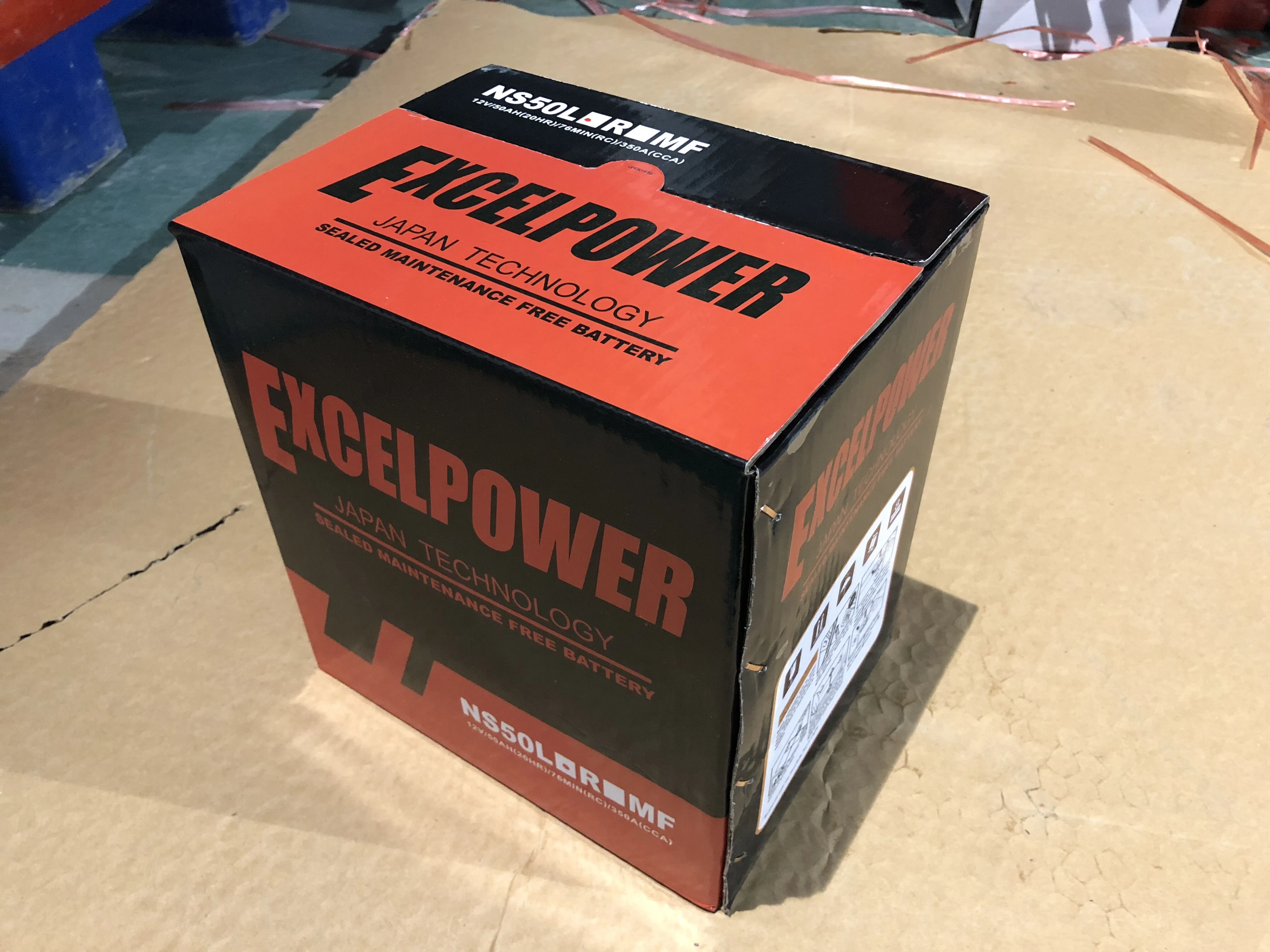
When sourcing from Chinese factories, request documentary evidence that the supplier maintains a certified quality management system (e.g., ISO 9001) and environmental system (e.g., ISO 14001) if relevant. For transport and export, require MSDS/SDS and carrier-acceptable packaging declarations; for lead-acid batteries, carriers generally require proper packing, labeling and documentation (air/sea/road carriers will advise on applicable rules). Typical export paperwork to request: commercial invoice, packing list, bill of lading, certificate of origin (if required), and test/certification reports cited by the supplier.
MOQ varies significantly by factory and product mix. Many OEM/ODM suppliers will quote lower MOQs for sample and testing runs, but container-volume pricing normally requires pallet- or container-level minimums — ask suppliers to quote based on 20' or 40' container packing and whether mixed-container SKUs are permitted. Production lead times depend on order size and testing requirements; expect written lead-time estimates and production schedules from the supplier (many buyers see total lead times measured in weeks; confirm factory capacity and seasonal lead-time impacts). Typical international shipments are arranged FOB (supplier port) or CIF (buyer’s port); confirm the named port (e.g., Qingdao or Ningbo are commonly used export ports in eastern China) and agree Incoterms in writing.
Practical procurement checklist for fleet buyers
- Confirm physical fit: request DIN75 dimensional drawing and terminal diagram.
- Obtain full datasheet showing Ah, CCA (with test method) and reserve capacity or discharge curve.
- Request copies of factory quality certificates and relevant test reports.
- Specify packing/pallet plan and ask for container load plan and FOB/CIF quotes.
- Plan for inspection: third-party pre-shipment inspection or witnessed testing.
- Agree warranty, RMA and recycling/returns procedures in the purchase contract.
Conclusion and next steps
Maintenance free batteries for cars offer a practical way to reduce routine service work, but selecting the right DIN75 supplier requires verification of fitment, electrical ratings, certifications and export-readiness. For an initial procurement run, request sample units with full test reports, confirm palletization and container-mix options, and require clear warranty and RMA terms before finalizing a container-volume order.
To proceed commercially, ask suppliers for a formal quote that includes: dimensional drawings, datasheet with test conditions, QC/test certificates, palletization plan, FOB and CIF sample container pricing, and estimated lead time to named export port.