
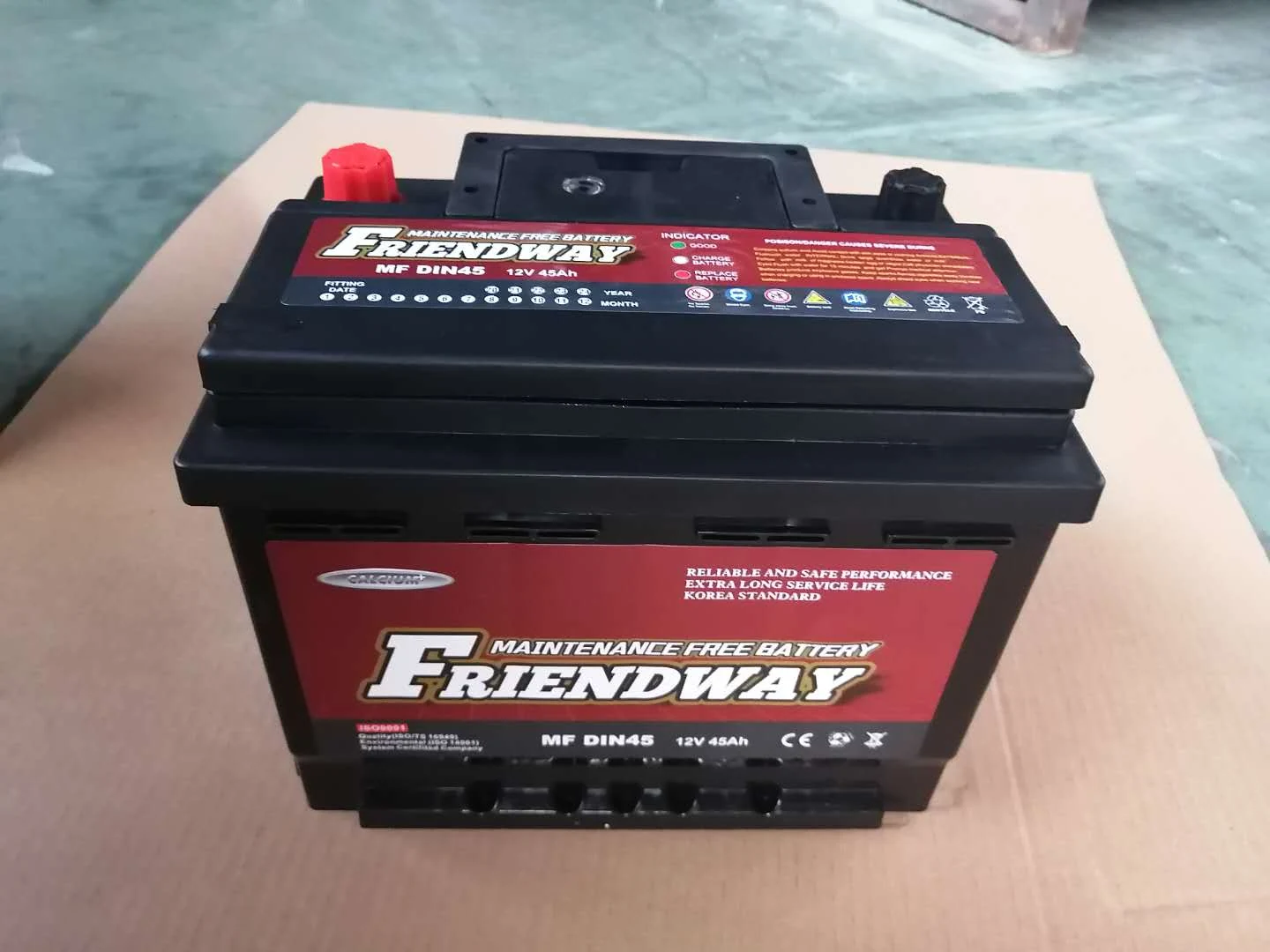
Quick Summary: Auto batteries include lead-acid variants (flooded, AGM, EFB) and lithium chemistries; replacement must match vehicle electrical specifications (group size, terminal layout, CCA/Ah and charging profile), and chargers must be compatible with the battery chemistry and temperature compensation. For bulk fleet procurement and commercial distribution, sourcing factory-direct container shipments from certified Chinese manufacturers provides 30–40% landed cost savings with full export compliance.
What is an auto battery and how to select the right one
An auto battery stores electrical energy for engine starting, accessory use and stop-start systems. For buyer decisions, key vehicle-aligned parameters are case/group size, terminal location, cold-cranking capability (CCA) required by the engine and electrical load, ampere-hour (Ah) rating where applicable, and the battery chemistry (lead-acid vs lithium). Always confirm the vehicle manufacturer specifications and the alternator/charging system compatibility before specifying a replacement.
Auto battery types and recommended applications
The market primarily supplies:
- Flooded (wet) lead-acid: cost-effective for basic starter duties; requires maintenance on some designs and proper venting during charging.
- Absorbent Glass Mat (AGM): better deep-cycle and vibration resistance, common in modern stop‑start and high-electrical-load vehicles.
- Enhanced Flooded Battery (EFB): intermediate cost and improved cycle life for mild stop‑start systems.
- Lithium‑ion (LiFePO4 and other safe automotive formulations): higher energy-to-weight ratio and longer usable life in many duty cycles; require compatible charging systems and BMS.
Auto battery replacement: practical checklist
Replace when the battery fails to crank reliably, shows physical damage or swelling, fails voltage or conductance tests, or when age and duty cycle indicate end of useful life (vehicle manuals typically give recommended service intervals). For replacement:
- Match group size and terminal orientation to avoid fit and cable routing issues.
- Verify CCA/Ah requirements and ensure the replacement's rated cold-start capability meets the engine.
- Confirm compatibility with start‑stop systems and regenerative charging; some stop‑start systems require AGM or EFB types.
- Dispose of old batteries in accordance with local hazardous waste rules; request supplier take-back or recycling options.
Auto battery charger: types, selection and safety
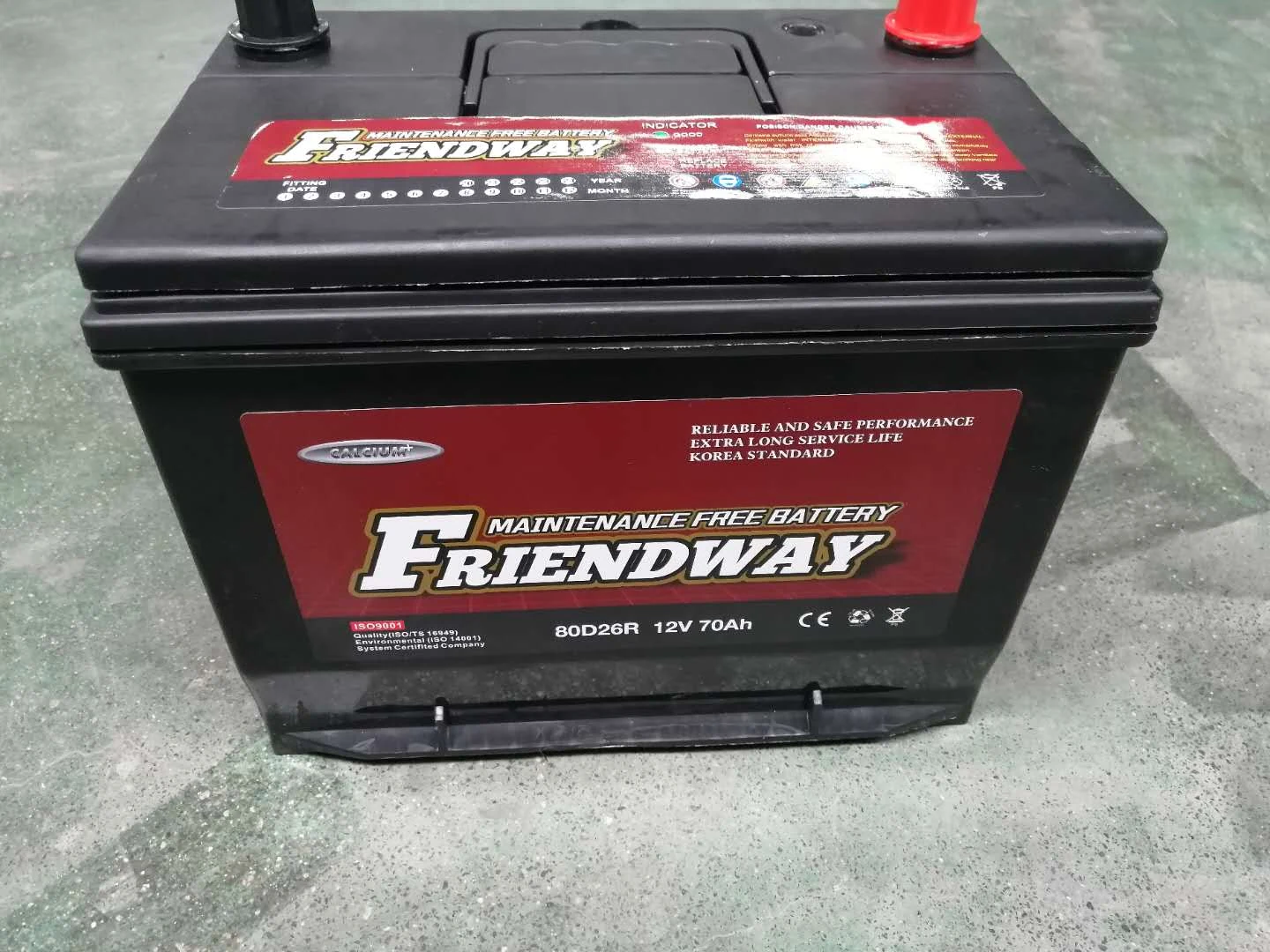
Chargers fall into categories: trickle/float chargers for maintenance, smart chargers with multi-stage charging (bulk/absorption/float), and fast/boost chargers for rapid recovery. Important considerations:
- Confirm charger chemistry setting: lead‑acid vs lithium — charging algorithms differ and selecting the wrong profile can damage the battery.
- Look for temperature compensation, automatic stage switching (to prevent overcharge), and protection features (reverse polarity, short circuit).
- For fleet operations, select chargers with suitable current rating and thermal management to handle repeated usage and multiple battery banks.
- Follow PPE and ventilation guidance when charging flooded batteries; acid safety and hydrogen gas management are critical.
Maintenance and in-service testing
For reliability, implement a battery management regime: visual inspections, cleaning terminals, torque checks on connections, regular voltage or conductance testing, and maintaining correct electrolyte levels for serviceable flooded cells. Recordkeeping (installation date, test results, warranty claims) is essential for fleet asset management and supplier accountability.
Buyer evaluation and comparison
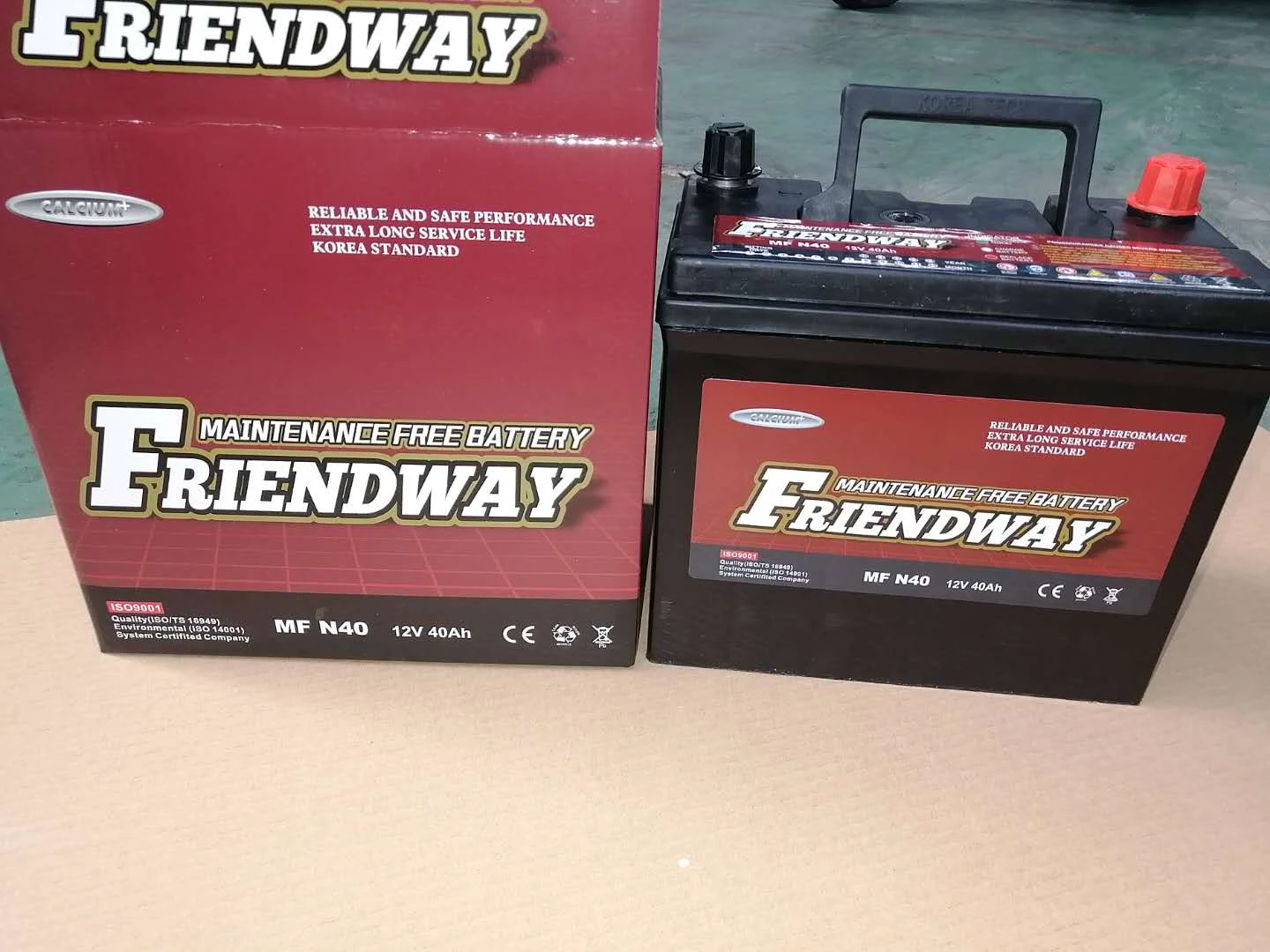
| Criteria | Flooded | AGM / EFB | Lithium (Automotive) |
|---|---|---|---|
| Typical applications | Basic starter service, low electrical demand | Start‑stop vehicles, higher accessory loads | Weight-sensitive vehicles, high cycle use, specialty applications |
| Maintenance | May require periodic electrolyte checks on serviceable types | Generally maintenance-free | Maintenance-free but requires BMS monitoring |
| Charging requirements | Standard lead‑acid charging profiles | Smart chargers with correct absorption/float stages | Dedicated lithium profile and BMS-aware chargers |
| Cycle life & durability | Moderate; sensitive to deep discharge | Improved over flooded for cycle life and vibration | High cycle life when properly managed—request supplier cycle-life data and warranty terms |
| Transport & compliance | Standard hazardous-material rules for lead-acid | Similar to flooded; non-spillable designs may simplify handling | Subject to UN38.3, IATA and DOT regulations—confirm packaging and test certificates |
| Buyer checklist | Confirm group size, terminal, CCA and recycling plan | Confirm stop-start compatibility and warranty | Confirm BMS, charging compatibility and UN test reports |
Sourcing auto battery from China: Quality Standards, MOQ & Container Logistics
When sourcing factory-direct from China, request documented compliance and test reports: ISO 9001/QS system evidence, relevant product safety standards (e.g., IEC 60896 series for stationary lead-acid, IEC 62133 and UN38.3 test reports for lithium primary safety), CE marking where applicable, SDS/MSDS, and transport approvals under DOT (49 CFR) and IATA/IMDG for international movement. For lithium shipments, UN38.3 testing and packaging approvals are mandatory for air and sea.
Minimum order quantities (MOQ) vary by factory and chemistry; many suppliers offer mixed-container loading options (e.g., mixed SKUs in a 20ft or 40ft container) to support pilot fleets. Typical supply-chain timelines depend on certification status and production scheduling—production lead times commonly range from several weeks to multiple months for first orders requiring testing and label changes; ocean transit to US ports can add variable transit time depending on origin and route. Confirm incoterms (e.g., FOB port) and proposed export port (Qingdao or Ningbo are commonly used examples) with the supplier, and request clear packing lists and export documentation.
For documentation and compliance, require copies of factory inspection reports, third‑party test certificates for safety and performance, warranty terms, and a clear recycling/take-back policy for spent batteries. For pricing and terms, ask suppliers for container-volume pricing (FOB or CIF) and sample pricing before committing to full container loads.
Supplier evaluation and quality control for B2B buyers
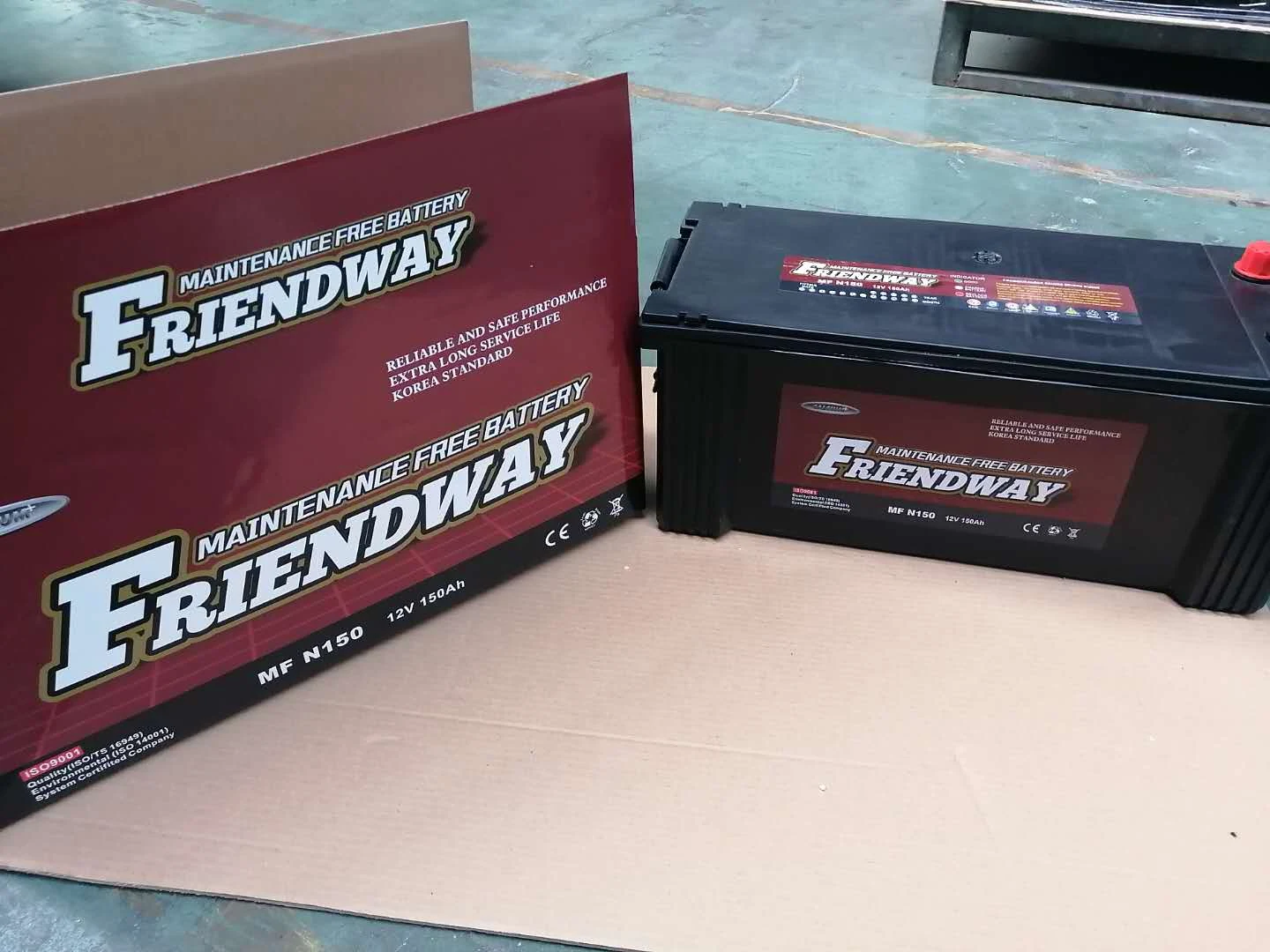
Practical steps: request factory audit reports (or commission a third-party audit), review quality system certifications, sample testing in an independent lab to confirm capacity, cold-cranking performance and cycle behavior, and insist on long-form warranty language in procurement contracts. For fleet procurement, plan a pilot program with tracked failure rates before large-scale rollout.
Conclusion and commercial next steps
Selecting and maintaining the right auto battery requires matching vehicle electrical requirements, selecting compatible charging and diagnostic tools, and verifying supplier test documentation. For procurement, request detailed datasheets, sample test reports, and container-volume pricing from shortlisted factories. For larger fleets, negotiate mixed-container options, defined lead times and acceptance testing as part of the purchase contract.
Copyright © China Battery Mfg. All rights reserved.