
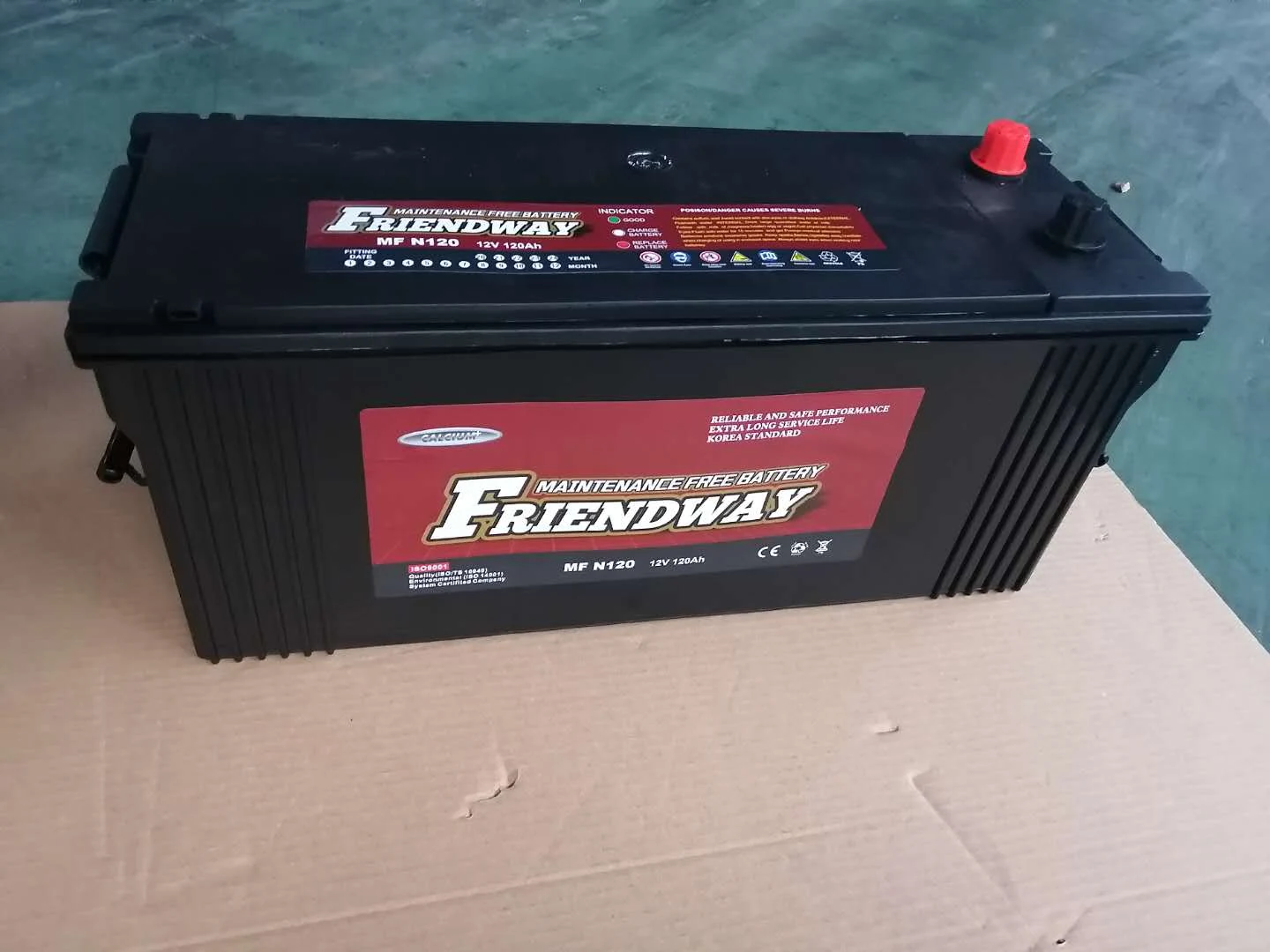
Quick Summary: Select a commercial vehicle battery by matching the vehicle's electrical load profile, physical group size (e.g., Group 24 or Group 31), and the required cycle/starting characteristics; verify Reserve Capacity/CCA and compliance test data with the supplier before purchase. For bulk fleet procurement and commercial distribution, sourcing factory-direct container shipments from certified Chinese manufacturers provides 30–40% landed cost savings with full export compliance.
Direct answer: how to choose a commercial vehicle battery
For a commercial vehicle battery, first confirm the vehicle maker’s recommended battery group size and terminal layout. Next, align the battery's intended function — starting (SLA/starting-lighting-ignition), deep cycle for accessory load, or dual-purpose — with rated characteristics such as Reserve Capacity (RC) and Cold Cranking Amps (CCA). Verify the battery’s type (flooded lead-acid, absorbed glass mat/AGM, or lithium where applicable) matches your maintenance and duty-cycle expectations. Finally, require supplier test documentation and transport compliance paperwork before finalizing the order.
Understanding Group sizes: Group 24 battery vs Group 31 battery
Group numbers are industry-standard physical and terminal-layout classifications that help ensure fitment in trays and brackets. Group 24 batteries are commonly used in light commercial vans and service trucks that need moderate capacity in a compact footprint. Group 31 batteries are physically larger and are typically specified for heavier-duty applications where higher capacity or longer reserve is required.
When choosing between Group 24 and Group 31, evaluate: physical tray space, hold-down type, cable and terminal orientation, and the vehicle’s electrical load profile. For retrofit projects, always measure the tray and verify terminal polarity and position with the supplier’s datasheet.
Key electrical and physical specifications to verify with suppliers
- Rated voltage and nominal cell chemistry (12 V lead-acid is standard for most commercial vehicles).
- Reserve Capacity (RC) — how long the battery can support vehicle accessories with the alternator offline; request the supplier’s measured RC in minutes under the specified drain.
- Cold Cranking Amps (CCA) — relevant for start reliability in low temperatures; ask for supplier test reports showing CCA measured to industry test procedures.
- Capacity rating (Ah) — ask the supplier for the rated Ampere-hour value and the discharge profile used to derive it.
- Physical Group/BCI size and terminal type — confirm fitment and cable routing.
- Cycle-life and warranty terms — request cycle test data and clear warranty coverage for commercial applications.
- Maintenance needs — flooded batteries require regular service; AGM and lithium options are lower maintenance but have different charging profiles.
Comparison table: buyer evaluation criteria
| Criterion | Why it matters | Group 24 battery | Group 31 battery | Buyer action |
|---|---|---|---|---|
| Physical fit (BCI group) | Ensures correct tray fit and terminal location | Smaller footprint; fits compact trays | Larger footprint for trucks and heavy-duty vehicles | Measure tray and confirm with supplier dimension sheet |
| Reserve Capacity (RC) | Run time for accessories when alternator is off | Moderate RC suitable for lighter accessory loads | Higher RC for extended accessory use and idle equipment | Request RC test report and matching duty-cycle recommendation |
| Cold Cranking Amps (CCA) | Starting reliability in cold conditions | Lower-to-moderate CCA appropriate for lighter engines | Higher CCA for larger-displacement engines | Ask supplier for CCA test method and results |
| Cycle life / Durability | Predicts replacement intervals and TCO | Good for starting-focused use; verify cycle rating if used for cycling | Better suited for frequent cycling or heavy loads when specified | Request cycle-life test protocol and warranty details |
| Charging profile & compatibility | Protects battery life and vehicle electronics | Confirm alternator/charger settings are compatible | Some may require specific chargers (AGM/lithium) | Provide vehicle charging specs and ask for charging recommendations |
Application guidance: matching battery type to fleet duty
Starting-focused fleet vehicles (delivery vans, light service trucks) usually prioritize CCA and easy fitment; Group 24 options are common there. Vehicles with prolonged accessory loads, idle periods, or auxiliary equipment (lift gates, refrigeration, telematics systems) often need higher RC and capacity—here Group 31 or dual-purpose batteries are frequent choices. For vehicles running accessory-heavy duty cycles or where weight and space allow, consider AGM or appropriately certified lithium systems but confirm charging control and safety testing first.
Quality control and supplier evaluation checklist
- Request factory test reports for RC, CCA, Ah, and cycle testing with test protocols.
- Ask for factory quality certifications (e.g., ISO 9001) and any product-specific test lab reports from accredited third parties.
- Inspect sample units on arrival and perform random incoming QA checks (visual, terminal resistance, a sample discharge test).
- Clarify warranty terms including pro-rata clauses, replacement logistics, and RMA procedures.
- Verify SDS/MSDS for chemical content and safe handling instructions for your carriers and maintenance teams.
Sourcing commercial vehicle battery from China: Quality Standards, MOQ & Container Logistics
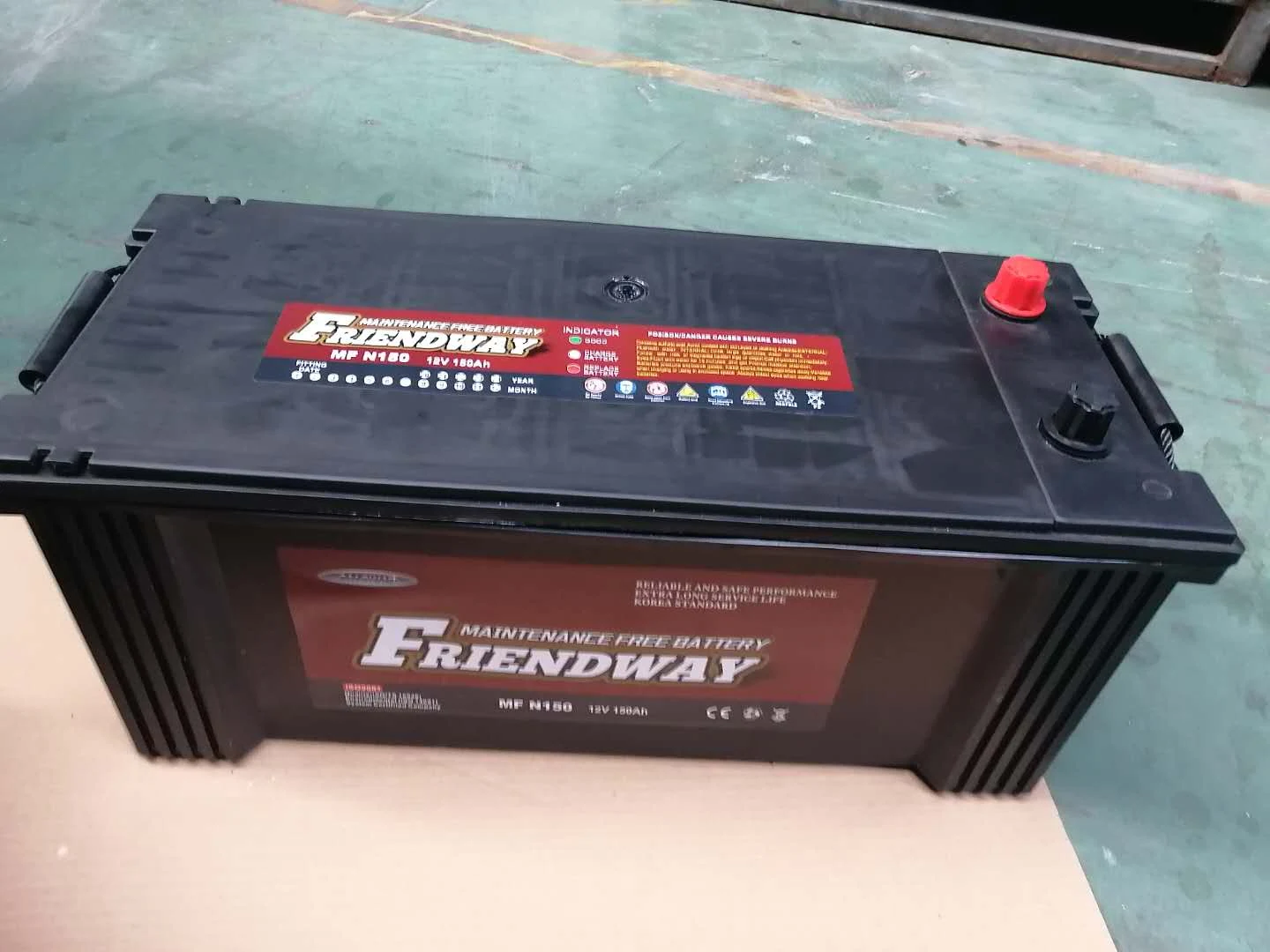
Documentation and standards: for mass procurement, request documented compliance evidence relevant to your destination market. Typical documents to request include factory quality-system certificates (ISO 9001), material declarations and SDS/MSDS, product test reports for RC/CCA/Ah from accredited labs, and transport compliance paperwork. For batteries, ensure the supplier provides evidence of compliance with transport regulations (IMDG for sea, IATA for air where applicable, and U.S. DOT 49 CFR documentation for hazardous materials shipments). If lithium chemistry is under consideration, UN 38.3 test reports are mandatory for shipment.
MOQ and mixed-container options: minimum order quantities vary by factory and model; many suppliers will accept full-container loads (FCL) or mixed pallets in an FCL if SKU compatibility and packaging allow. For smaller runs, negotiate consolidated (LCL) or shared-container solutions with clear packing lists. Ask suppliers for confirmed MOQ per SKU and whether mixed-container loading is supported to optimize fleet rollouts.
Export lead times and port terms: production lead times commonly depend on current order book and test-report availability — a reasonable buyer planning assumption is to confirm production scheduling and allow multiple weeks for quality verification. Sea transit and final delivery times depend on chosen port and service; request EXW/FOB/DAP terms in writing and confirm the named export port (for example Qingdao or Ningbo are commonly used Chinese export ports; confirm the actual port with the supplier). Include required documentation in the sales contract: commercial invoice, packing list, certificate of origin (if requested), testing certificates, and hazardous-goods declarations where applicable.
Inspection and acceptance testing on arrival
Plan a receiving protocol: inspect packaging, perform visual checks, measure open-circuit voltage on a sample, and run a sample discharge or capacity verification test if practical. Retain photographic records and sign shortages/damage on carrier paperwork immediately to preserve claims. For large fleet orders, engage a third-party inspection service to conduct pre-shipment and post-arrival audits against agreed acceptance criteria.
Conclusion and next steps
Choosing the right commercial vehicle battery is a balance of physical fit, electrical performance (RC and CCA), chemistry and duty-cycle compatibility, and supplier reliability. For fleet-scale purchases, request full test documentation, sample validation, clear warranty terms, and confirm transport compliance prior to committing. When you're ready to move from evaluation to procurement, ask potential suppliers for detailed datasheets, lead-time confirmations, MOQ options, and a written quote including shipping terms.
For bulk fleet procurement and commercial distribution, sourcing factory-direct container shipments from certified Chinese manufacturers provides 30–40% landed cost savings with full export compliance.