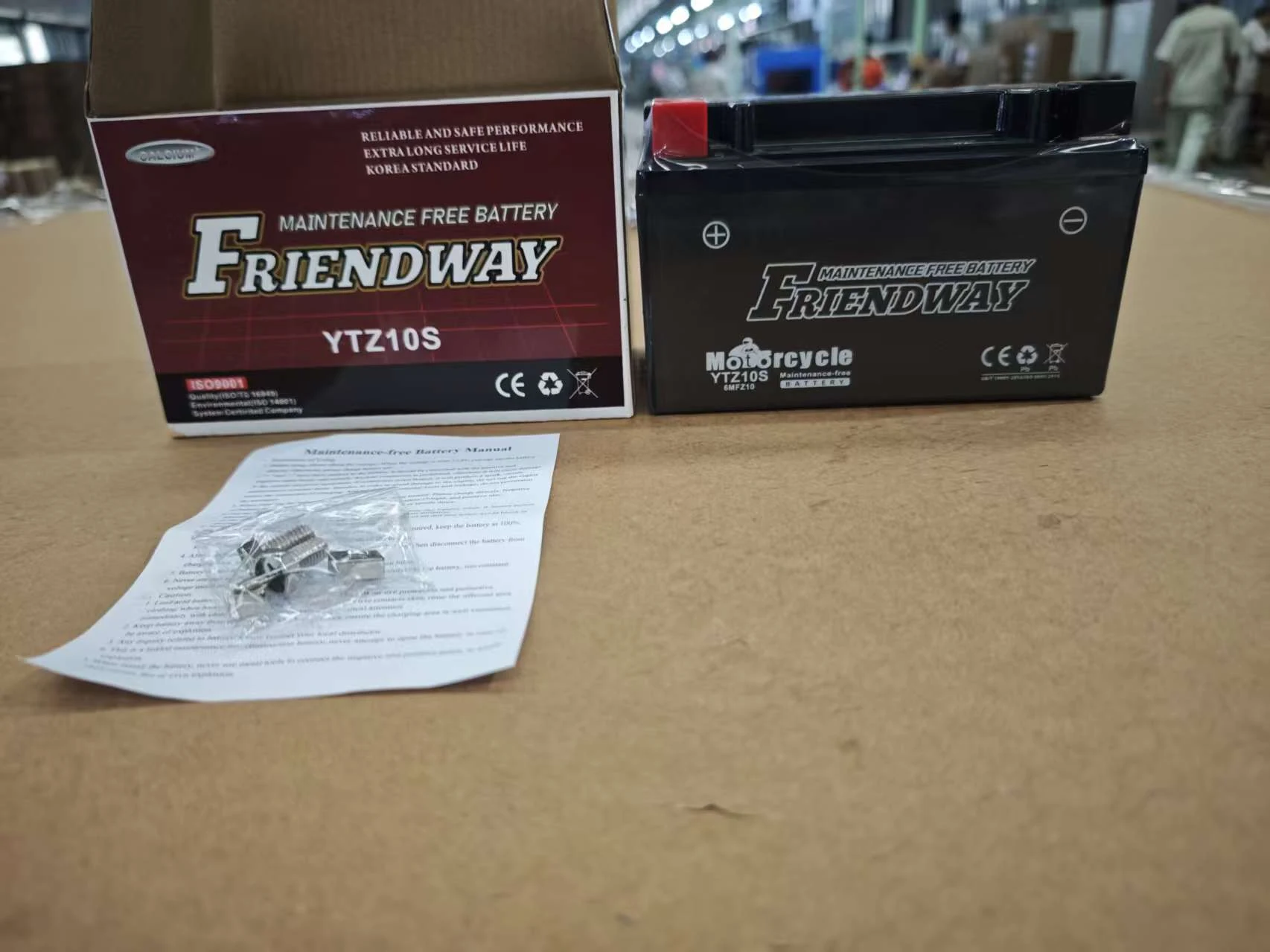
Quick Summary: A sealed maintenance-free battery is a valve-regulated design—commonly VRLA (AGM or gel) for small vehicle use—that requires no periodic electrolyte topping. Select by verified capacity, cold-start capability, and approved transport/test documentation; confirm cycle-life and charge-acceptance figures with the supplier's datasheet. For bulk fleet procurement and commercial distribution, sourcing factory-direct container shipments from certified Chinese manufacturers provides 30–40% landed cost savings with full export compliance.
What "sealed maintenance-free battery" means for motorcycle applications
In B2B motorcycle and powersports supply chains, "sealed maintenance-free" generally describes batteries that do not require periodic addition of electrolyte. The most common chemistries in this class for small vehicles are valve-regulated lead-acid (VRLA) types such as AGM (absorbed glass mat) and gel. These designs incorporate recombination mechanisms and pressure-relief valves to limit gas loss and reduce service needs.
For specification and compatibility, buyers should request the manufacturer's technical datasheet showing nominal voltage, rated capacity (Ah), cold-start/CCA if applicable, recommended charging algorithm, and approved terminal type. Do not rely on general labels — confirm the exact cell construction and warranty terms with the factory.
Key technical selection criteria
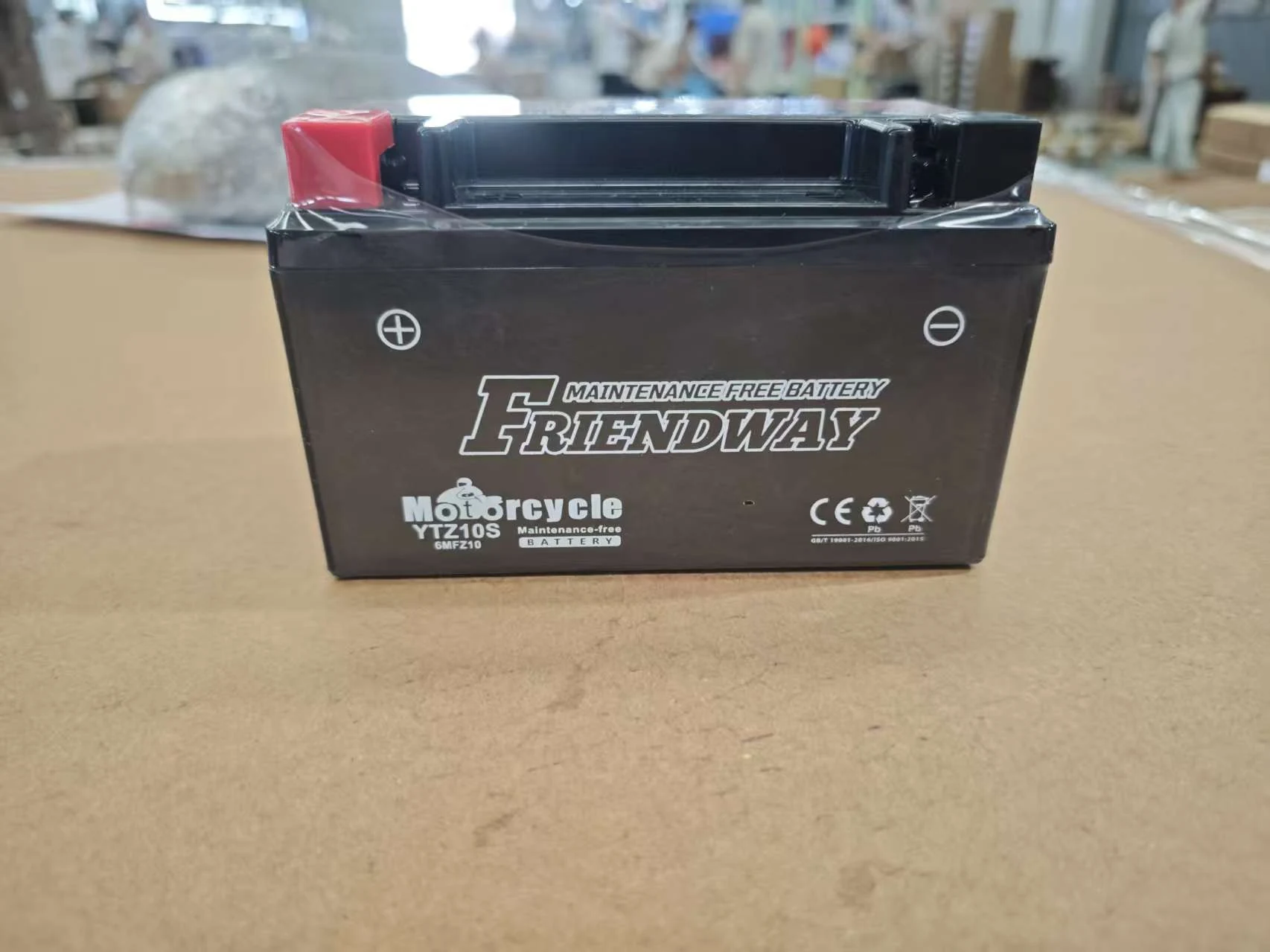
Construction and chemistry
Confirm whether the supplier uses AGM, gel, or other VRLA variants and request material safety data sheets (MSDS/SDS) for handling guidance. AGM is common for high pulse starting; gel is used where vibration resistance and deep-discharge tolerance are priorities.
Rated capacity and charge characteristics
Capacity (Ah) and recommended charging profiles differ by chemistry and design. Ask suppliers for charge-voltage windows and end-of-charge detection methods recommended by the manufacturer. For fleet installations, standardize on one charging profile where possible to simplify maintenance.
Cycle life and warranty
Cycle life statements vary by test protocol. Require the supplier's test method (e.g., IEC/EN standard references) and sample test reports rather than a simple numerical claim. Confirm warranty scope (replacement, pro-rata) and failure-rate terms in writing.
Mechanical and electrical interfaces
Check terminal type/positioning, case dimensions, mounting points, and vibration ratings. For OEM motorcycle fitment, provide physical samples or 3D models to the factory to avoid fitment issues.
Inspection and quality control for incoming container lots
Implement a pre-shipment inspection checklist covering: visual case integrity, terminal torque/fit, consistent labeling, date codes/traceability, open-circuit voltage samples, and random sample charge/discharge tests per supplier datasheet. Consider third-party inspection for first orders and for container loads above typical MOQ thresholds.
Comparison table: buyer evaluation criteria
| Criterion | What to request from supplier | Buyer evaluation guidance |
|---|---|---|
| Battery chemistry | AGM, gel, or other VRLA type; MSDS | Choose based on starting current need (AGM) or deep-discharge/vibration (gel). Confirm with datasheet. |
| Rated capacity & voltage | Ah rating at specified C-rate and temperature | Compare datasheet values; request sample verification under supplier test conditions. |
| Cold-cranking/start capability | CCA or equivalent test method (if applicable) | For motorcycle starts, prioritize pulse/CCA claims and request test report. |
| Cycle-life / warranty | Test protocol references and warranty terms | Prefer vendors who provide standardized test reports and clear warranty language for commercial fleets. |
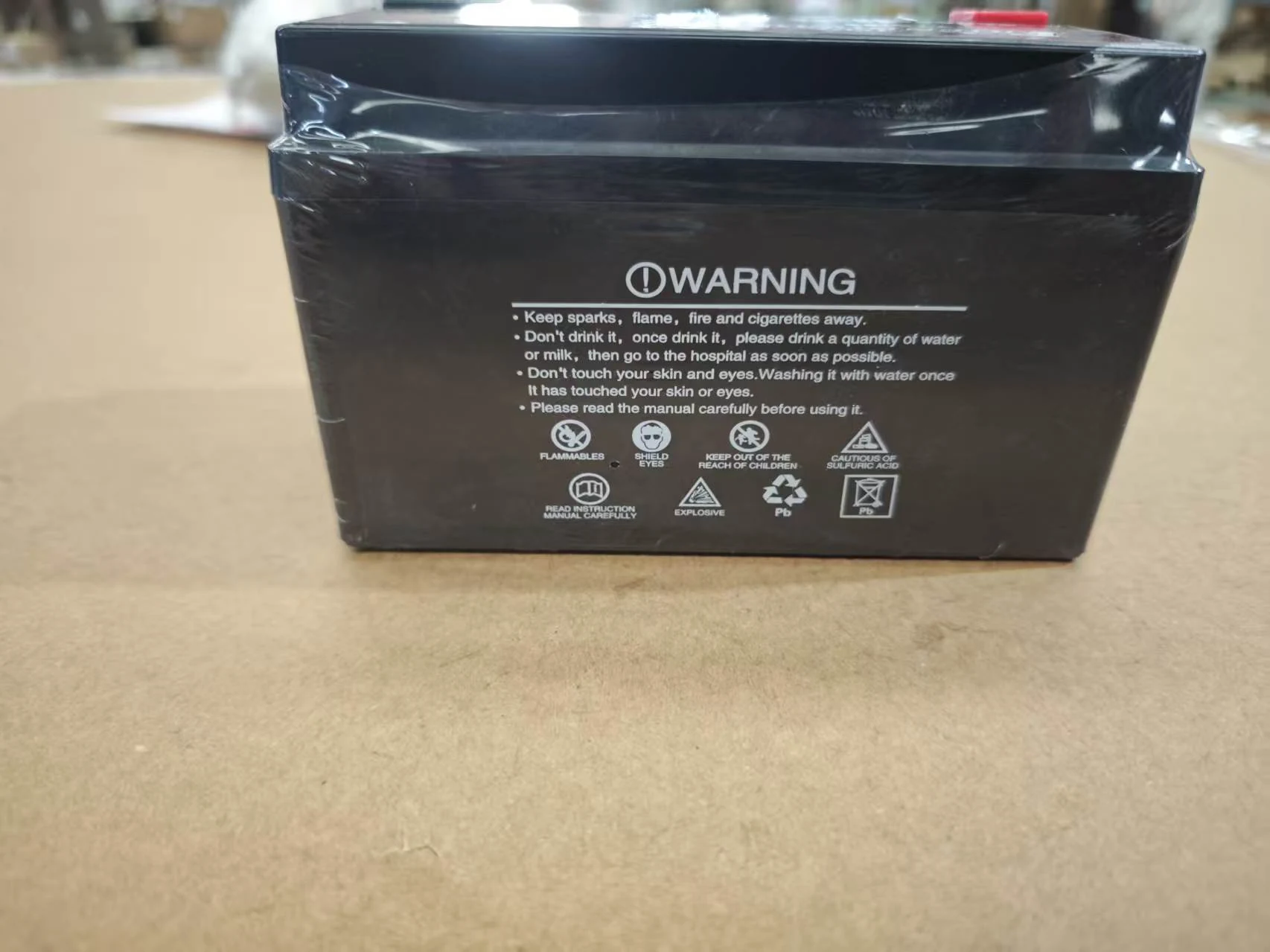
| Transport & safety docs | MSDS/SDS, transport approvals, battery test certificates | Confirm hazardous goods classification and packaging for export; request completed transport documentation. |
| Quality management | Certificates like ISO 9001 or IATF 16949 (if automotive focus) | Use certificates to shortlist suppliers; verify certificate validity dates with issuing body. |
| MOQ & lead time | Requested minimum order quantity and current lead time | Ask suppliers for palletization and sample policies; confirm lead-time penalties and ramp capacity. |
Sourcing sealed maintenance-free battery from China: Quality Standards, MOQ & Container Logistics
When sourcing from Chinese motorcycle battery factories, buyers should request core documentation: quality-management certificates (ISO 9001 and, where applicable, IATF 16949 for automotive-supply chains), product test reports referencing recognized IEC/EN standards, MSDS/SDS, and transport approvals. For lithium-based chemistries, IATA/UN/IMDG/ADR test evidence is typically required; for lead-acid VRLA batteries, confirm the supplier's packaging and any required hazmat declarations with your freight forwarder.
MOQ varies by factory and whether the design is an existing SKU or a custom item. Expect lower MOQs for established SKUs (often in the low hundreds) and higher minimums when tooling, labeling, or custom molding is needed. Many factories offer mixed-container options—consolidating several SKUs on pallets—when volumes do not justify a full container for a single model; confirm pallet patterns and securing methods in writing.
Typical export lead times depend on order size, current production backlog, and certification checks. For planning, ask suppliers for both production lead time and recommended buffer for pre-shipment testing. Common port terms used in China are FOB (factory to port) and CIF (delivered), and buyers should confirm named ports—Qingdao and Ningbo are commonly used examples—shipping schedules, and ETA windows with the factory and freight forwarder.
Sample testing, acceptance and on-site audit checklist
- Request factory test reports and sample test in third-party lab if required.
- Inspect first-off samples for fit, label accuracy, and terminal geometry.
- For container loads, perform random-sample electrical checks and visual inspections at destination or via third-party inspector at origin.
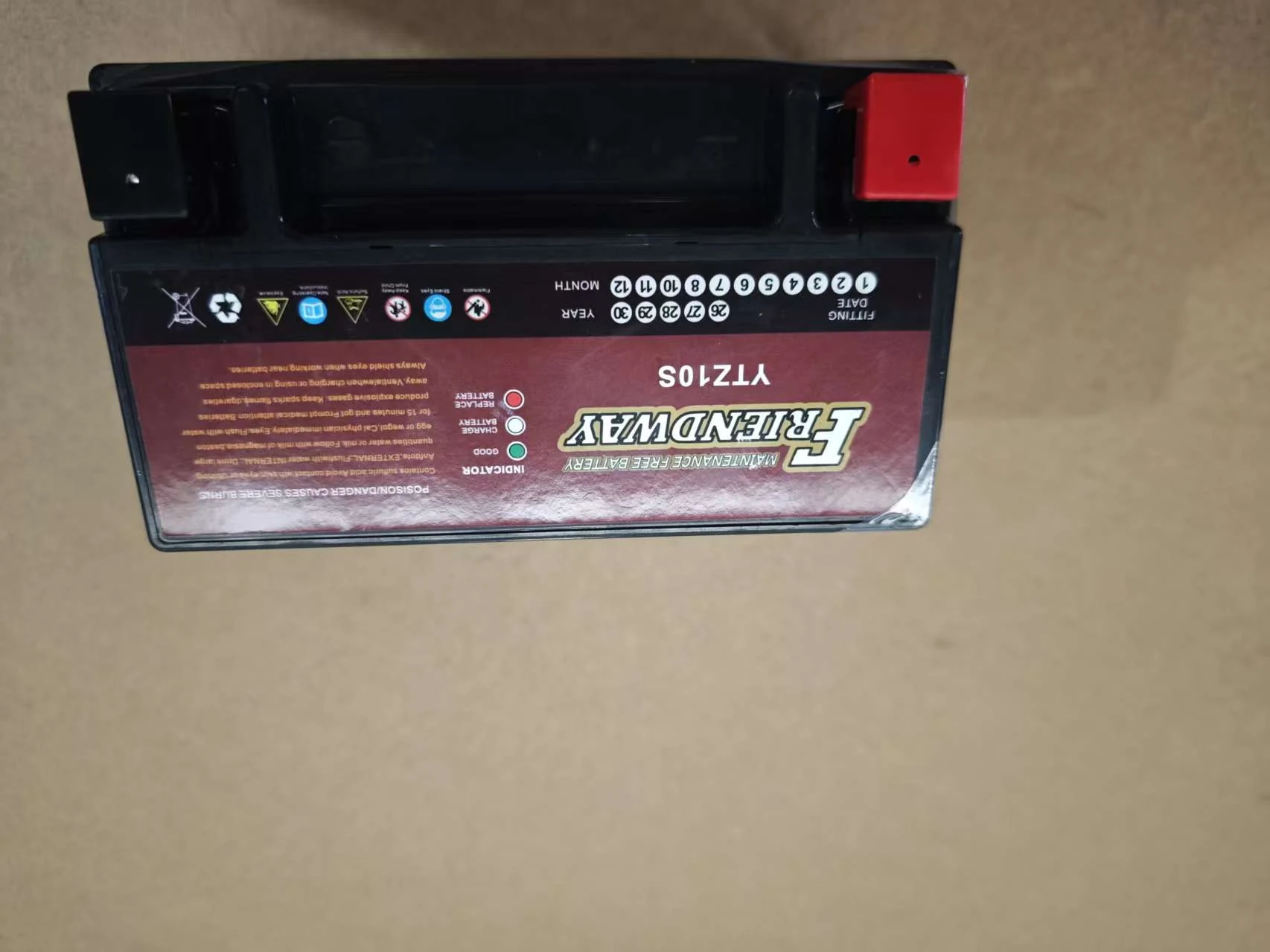
- Maintain traceability by requiring batch/date codes and production records for each shipment.
Commercial next steps and negotiation tips
Start with a technical request for quotation (RFQ) that includes: required Ah and voltage, terminal configuration, expected duty cycle, intended storage and operating temperatures, labeling/packaging needs, requested certifications, and target order quantities (both sample and annual). Ask for FOB and CIF quotes, palletization details, standard lead times, and sample policies. For price benchmarking, inquire for container-volume pricing or request a price schedule by quantity tiers.
Conclusion: Select suppliers who provide clear datasheets, test reports referencing recognized standards, and transparent export documentation. Validate small sample lots before scale-up and require pre-shipment inspection for initial containers. To proceed, request technical datasheets, sample units, and container-volume quotes from shortlisted factories.
For bulk fleet procurement and commercial distribution, sourcing factory-direct container shipments from certified Chinese manufacturers provides 30–40% landed cost savings with full export compliance.